 Ancient times01/08
Gangadwara — gateway of the Ganga
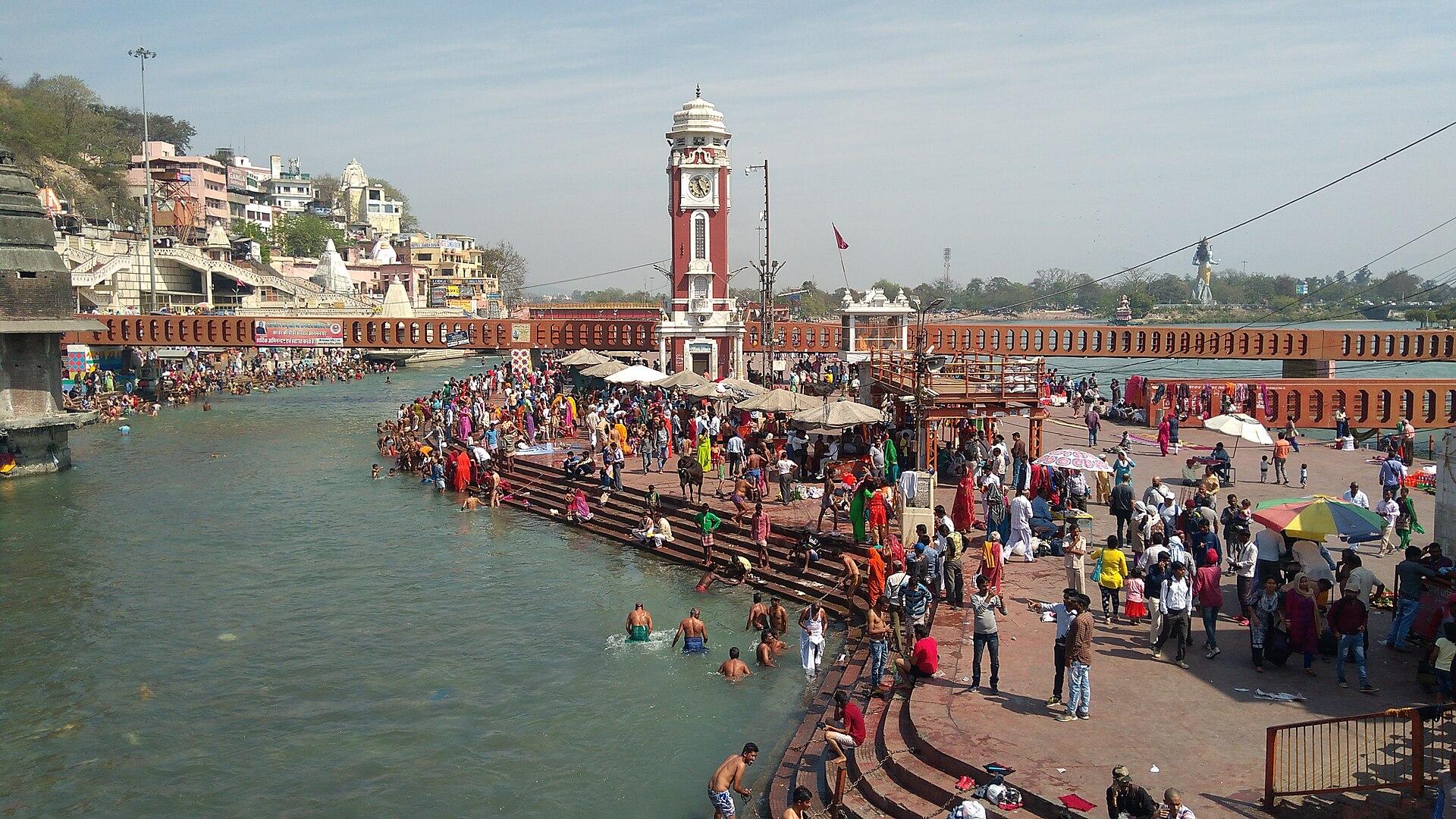
Puranic texts speak of Gangadwara, the place where the Ganga leaves the hills and enters the plains. Haridwar has been a tirtha on that riverbank for many centuries.
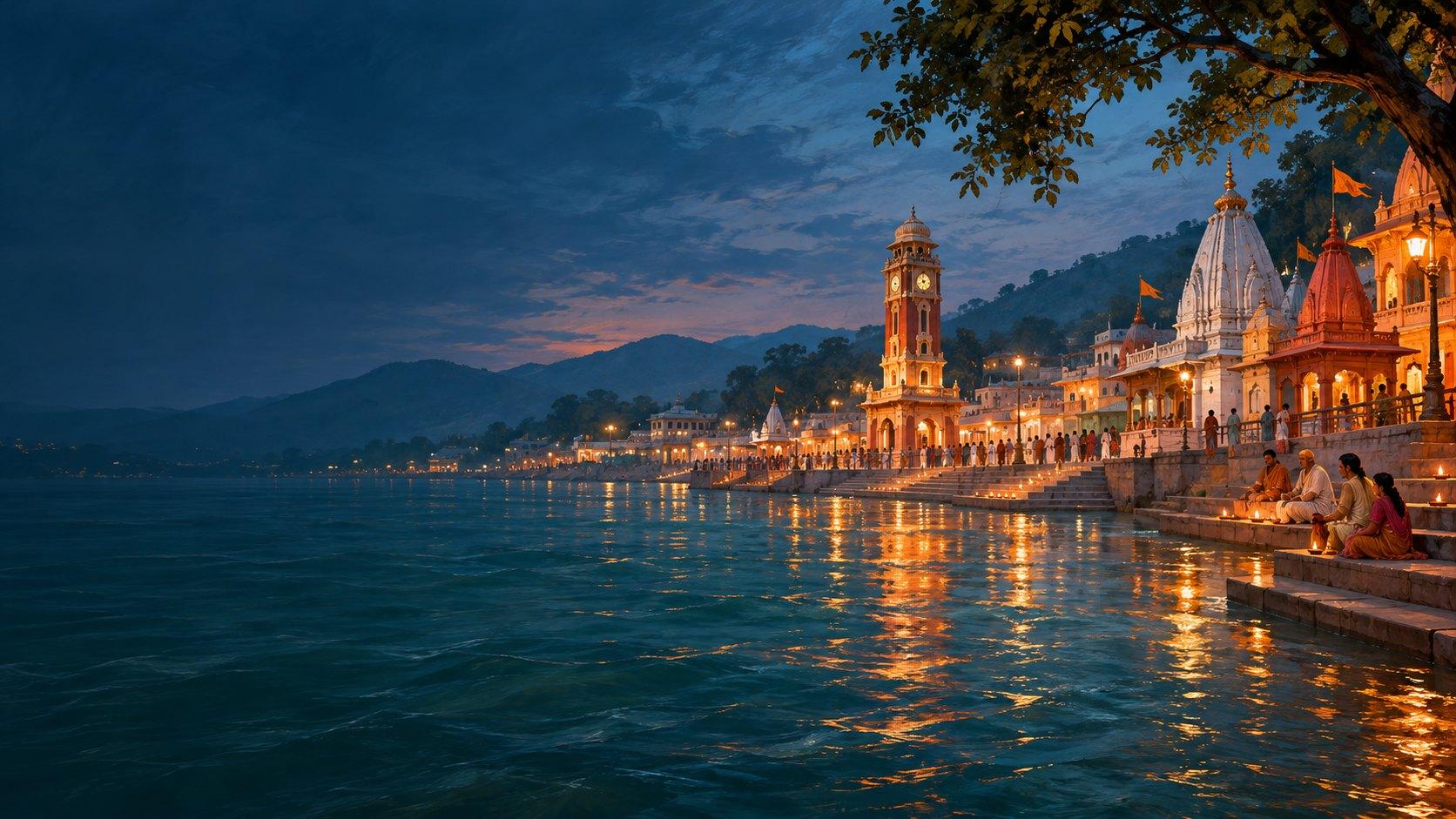
Haridwar — Gangadwara, the gateway of the Ganga — hosts the Ardh Kumbh in 2027. Pilgrims gather at Har Ki Pauri and Brahmakund, the Panch Tirth and the hill shrines of Mansa Devi and Chandi Devi.
At Devprayag the Alaknanda and Bhagirathi meet to form the Ganga. The river then runs through Rishikesh towards Haridwar, still a mountain river.
Puranic texts speak of Gangadwara — the place where the Ganga leaves the hills and enters the plains. Haridwar has been a tirtha on that riverbank for many centuries.
'Har Ki Pauri' means the steps of Hari. Devotees revere a stone at Brahmakund said to bear a footprint of Vishnu; the main snan takes place here, and the Ganga aarti is offered every evening.
Puranic tradition tells how devas and asuras churned the cosmic Ocean of Milk, with Mount Mandara as the rod and Vasuki the serpent as the rope, while Bhagwan Vishnu as Kurma bore the mountain on his back.
Among the treasures that rose, the story says, was Dhanvantari holding the kumbh (pot) of amrit — and both sides rushed to claim it.
As the pot was carried across the skies, drops of amrit are said to have fallen at four Kumbh tirthas — Haridwar, Prayagraj, Ujjain and Nashik. At Haridwar, devotees place that moment at Brahmakund, beside Har Ki Pauri.
Tradition holds that the struggle lasted twelve divine days, read as twelve human years. Haridwar hosts a Kumbh about every 12 years and an Ardh (half) Kumbh about every 6 years, timed by the positions of Brihaspati and Surya.
Shared here as a living tradition of faith, not as a historical record.
Haridwar hosts a Kumbh about every 12 years and an Ardh (half) Kumbh about every 6 years. The timing follows the positions of Brihaspati (Jupiter) and Surya — the alignment decides the year, not the calendar.
Schematic, not an astronomical chart.
From Gangadwara in the Puranas to the Ardh Kumbh of 2027 — the Kumbh keeps returning to Haridwar's ghats.
Ancient times01/08Puranic texts speak of Gangadwara, the place where the Ganga leaves the hills and enters the plains. Haridwar has been a tirtha on that riverbank for many centuries.
 7th century CE02/08
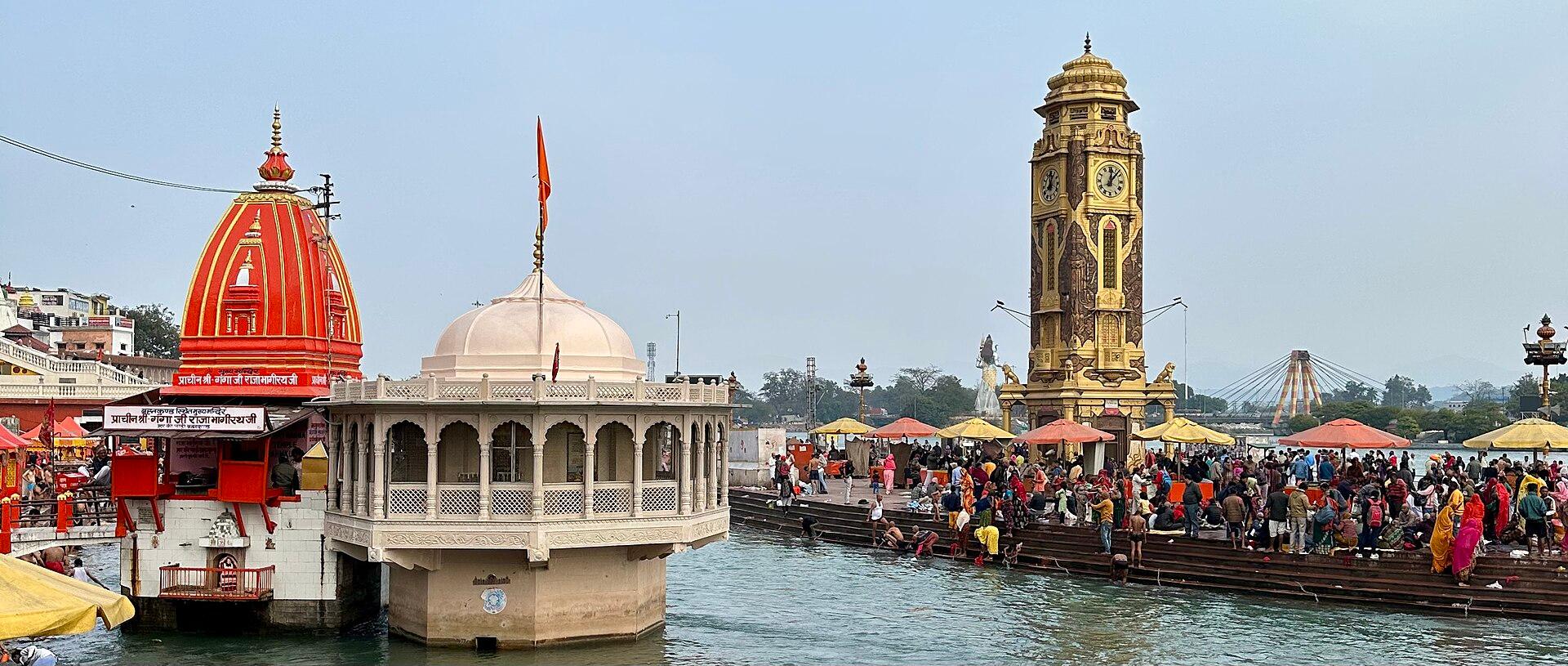
The Chinese traveller Xuanzang is generally read as describing Mayapura, near present-day Haridwar, where people gathered to bathe at the 'Gate of the Ganga'.
 8th century CE03/08
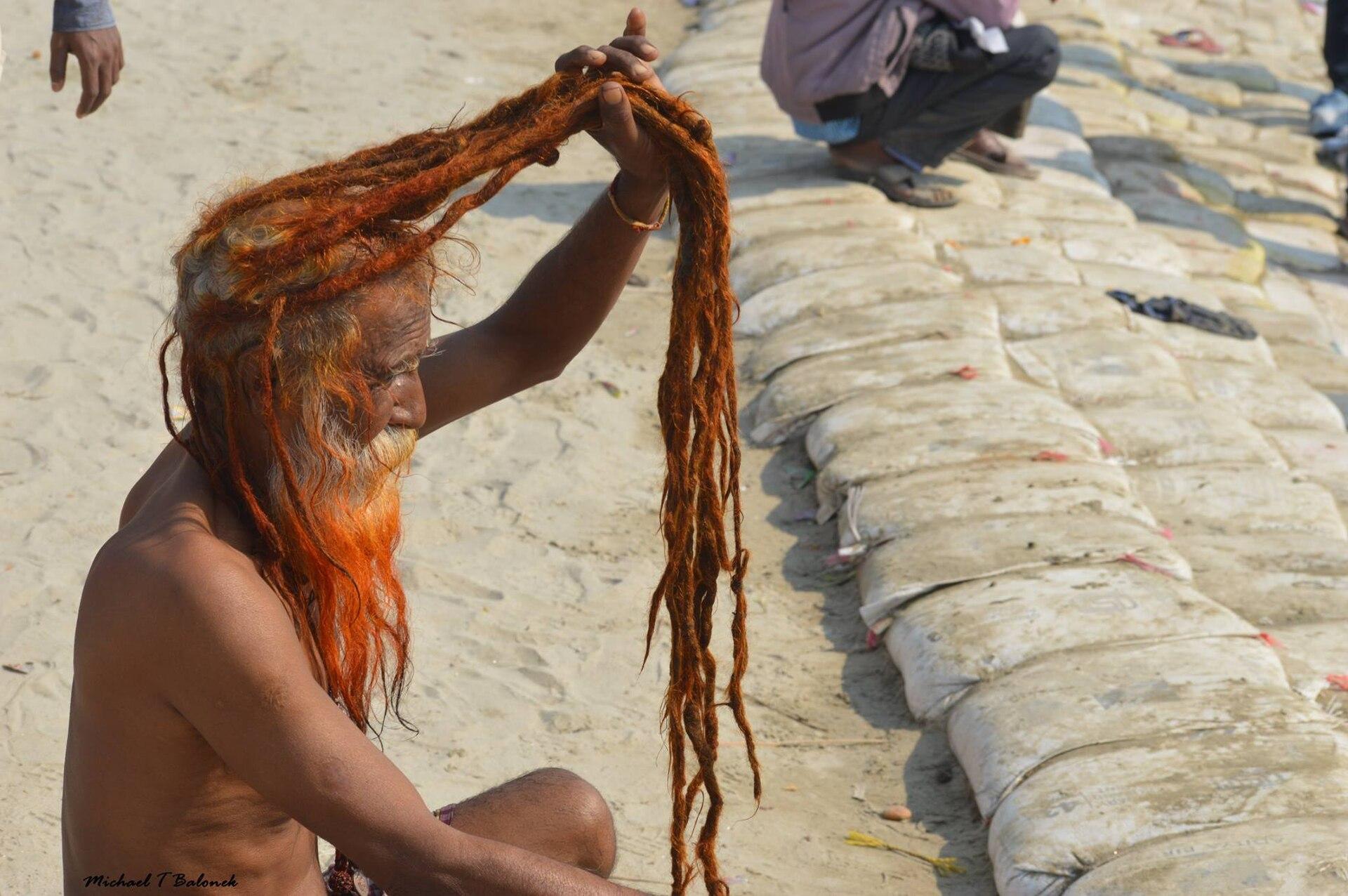
Tradition credits Adi Shankaracharya with organising the monastic orders and encouraging sadhus to meet at the Kumbh for debate, teaching and unity of dharma.
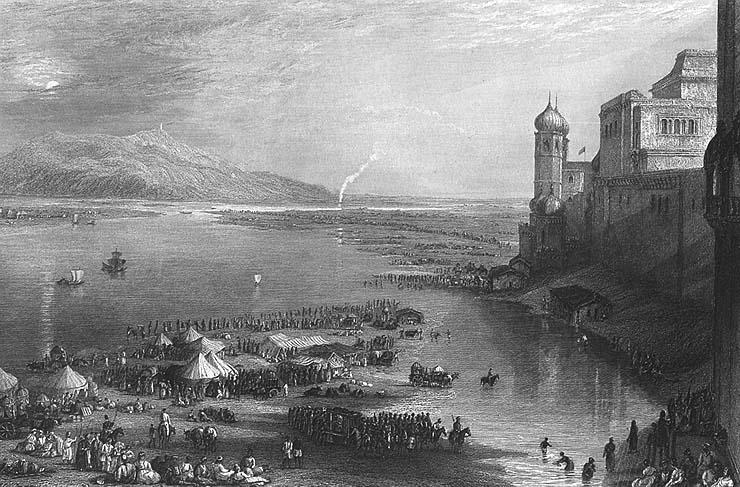 1850s04/08
Some of the earliest photographs of the Mela show pilgrims crowding the ghats of Haridwar — the same devotion, captured on glass plates.
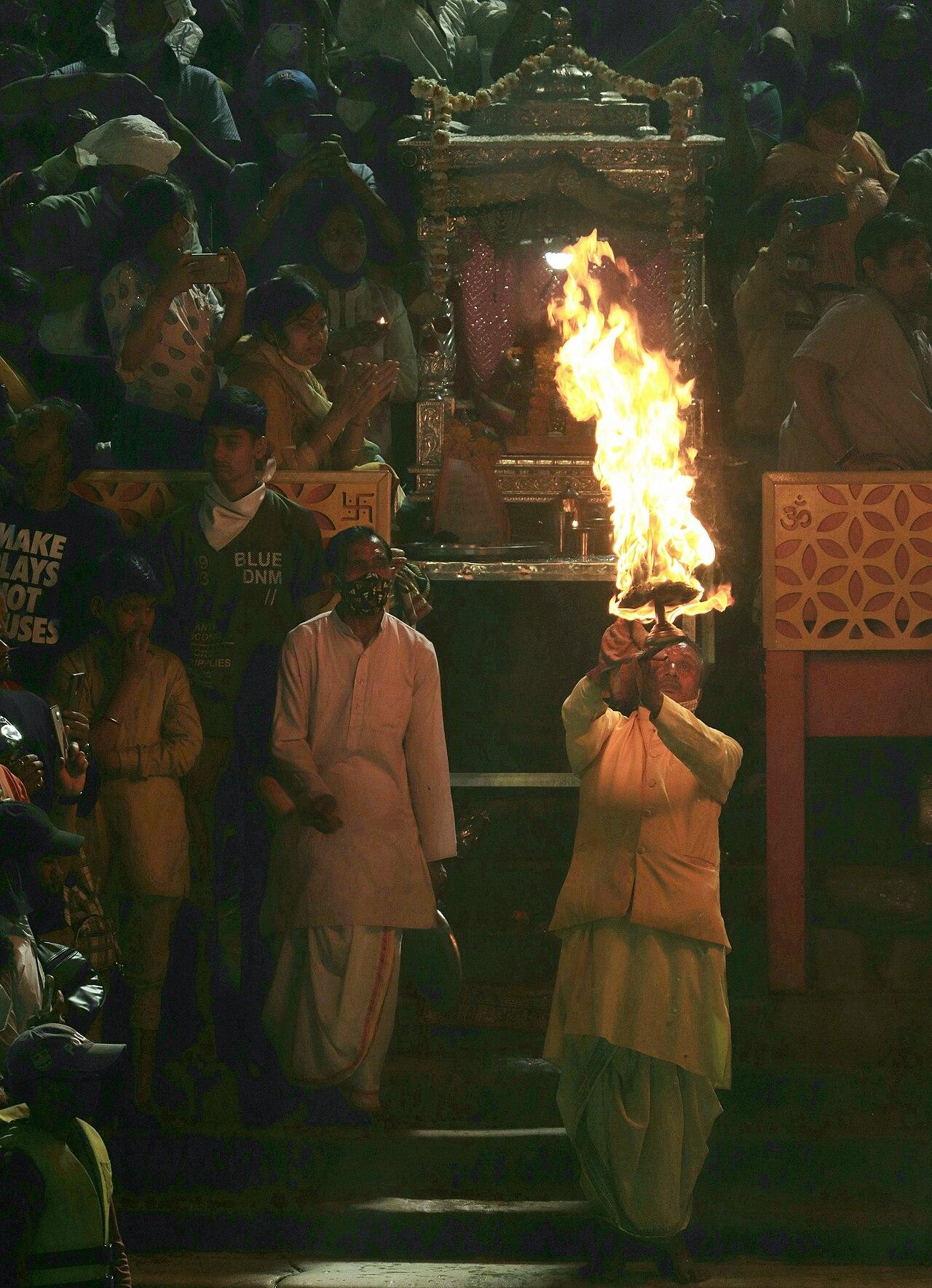 201005/08
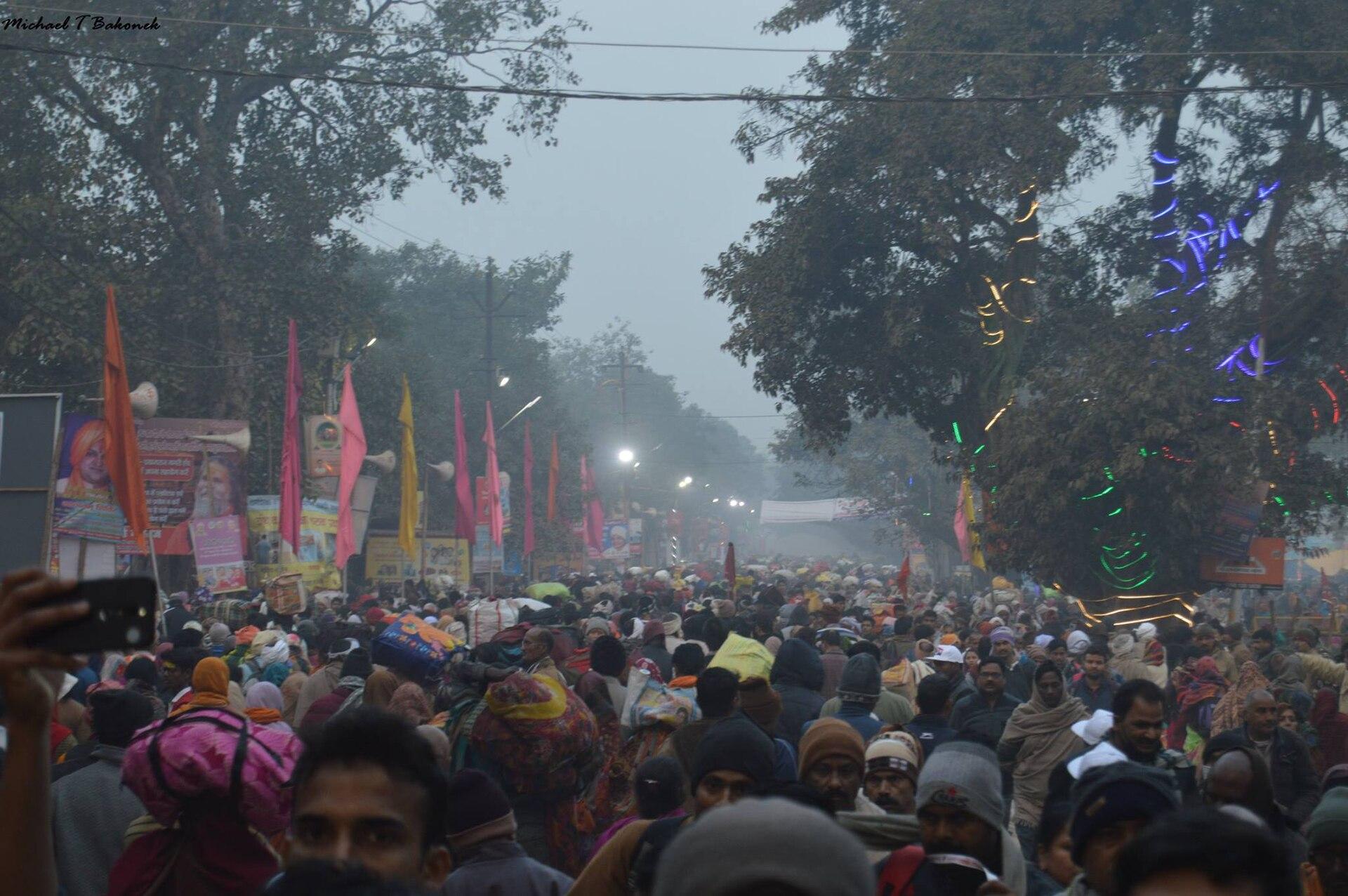
A full Kumbh season along the Ganga at Haridwar, with major bathing days at Har Ki Pauri and the surrounding ghats. Moving crowds safely across bridges and approaches was a central task.
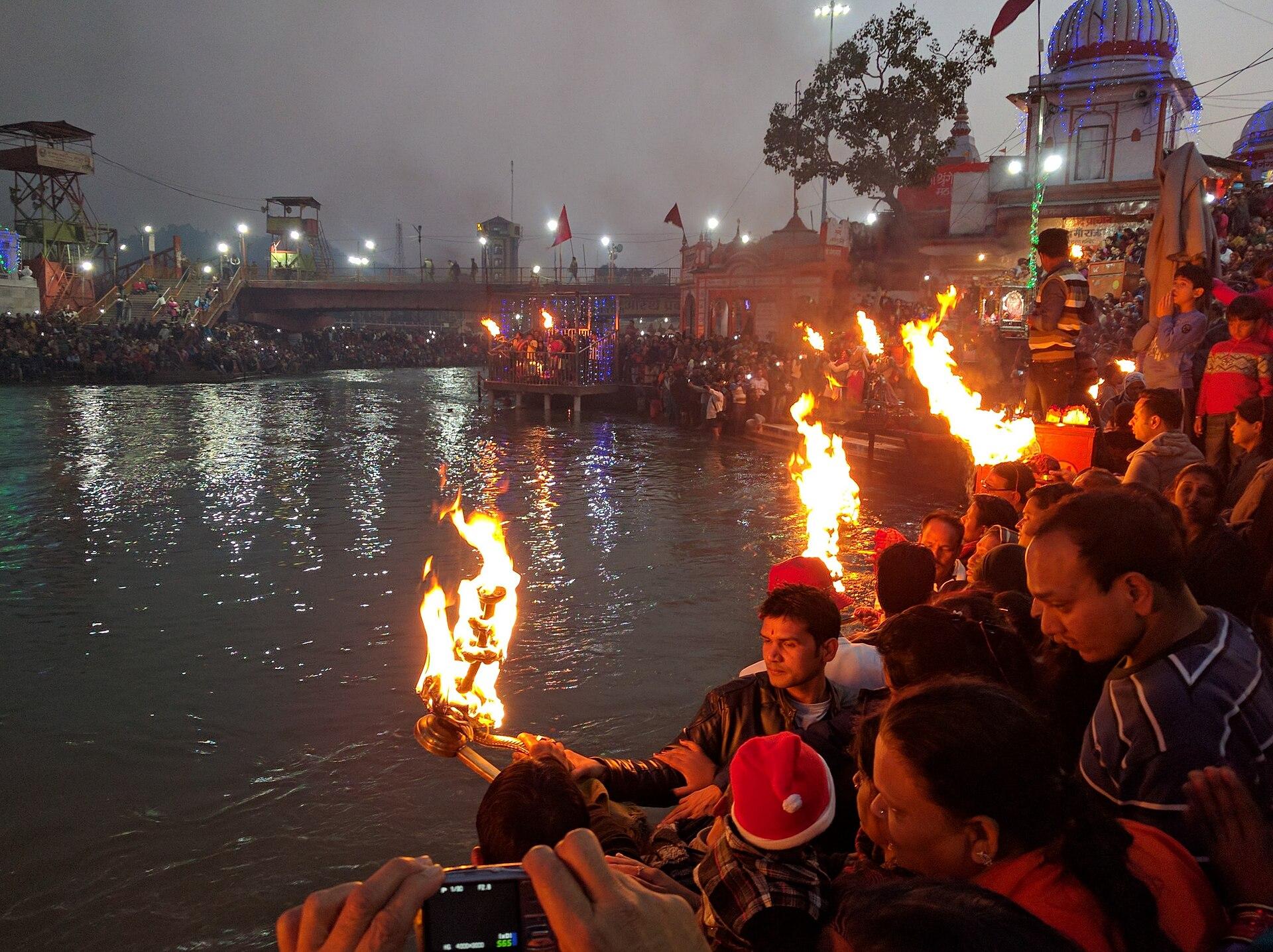 201706/08
Kumbh Mela was inscribed on UNESCO's Representative List of the Intangible Cultural Heritage of Humanity — a living tradition, not a World Heritage Site.
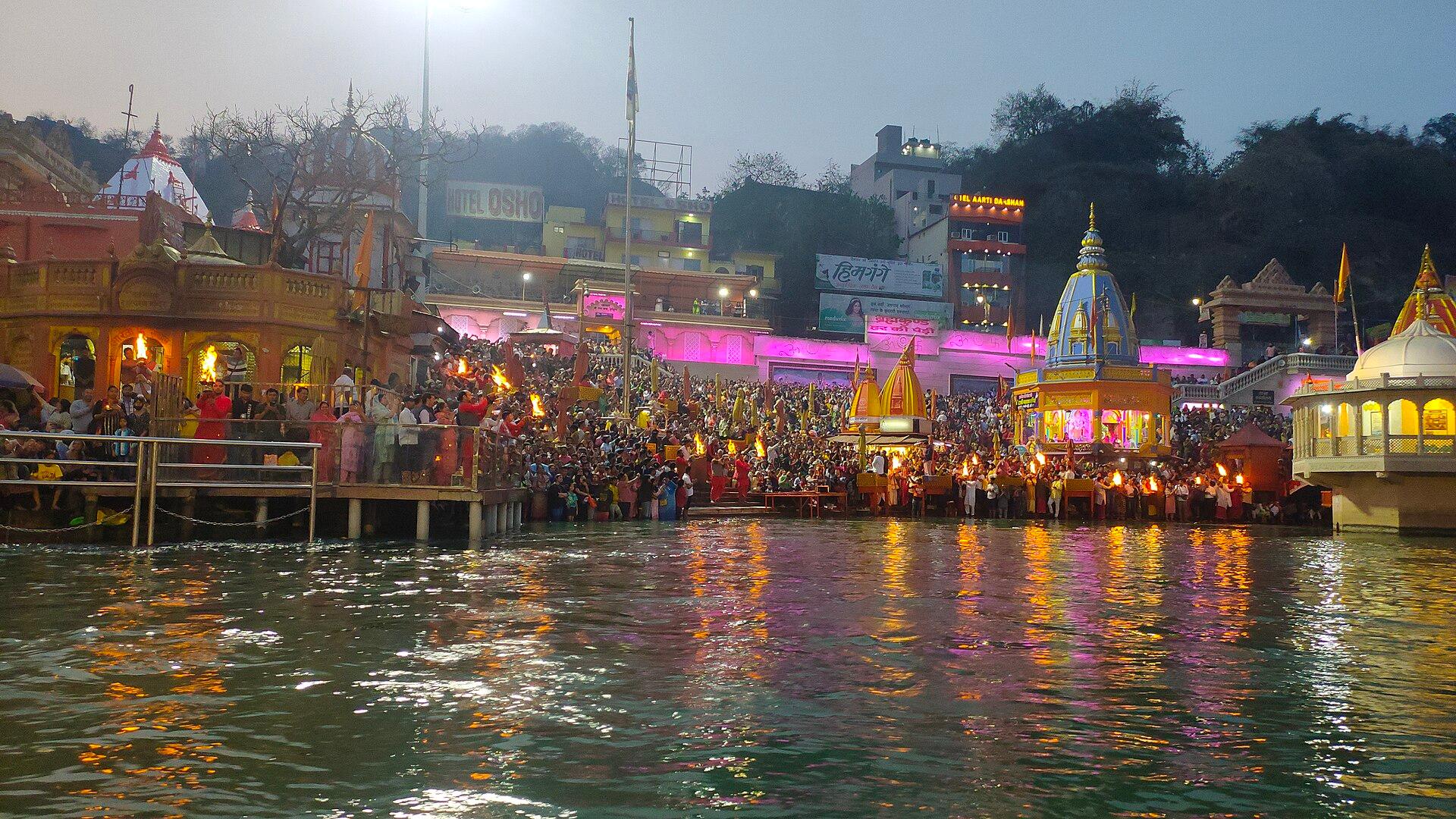 202107/08
The Haridwar Kumbh was held in a shortened form during the pandemic — a reminder that health, information and crowd care belong together.
2027 →08/08Haridwar Ardh Kumbh 2027 is where Jatayu is envisioned to begin: families connected, vulnerable people helped through official help points, one authorised route order for everyone.
Intangible Cultural Heritage of Humanity
Kumbh Mela was inscribed on UNESCO's Representative List of the Intangible Cultural Heritage of Humanity — a living tradition, not a World Heritage Site.
UNESCO listingTradition names five tirthas in and around Haridwar. Many pilgrims visit them over a few days — plan the hill shrines around snan days, when queues are longest.
Illustrative positions — not to scale
The principal ghat; the main snan takes place at Brahmakund
Evening Ganga aarti every day
Respect the traditions: ask before photographing sadhus, keep clear of akhara processions, and follow volunteers' directions.
Thirteen traditionally recognised akharas — Shaiva, Vaishnava and Udasin orders — lead the Amrit Snan in processions with flags and drums. Their bathing order follows long custom; route orders keep pilgrims clear.
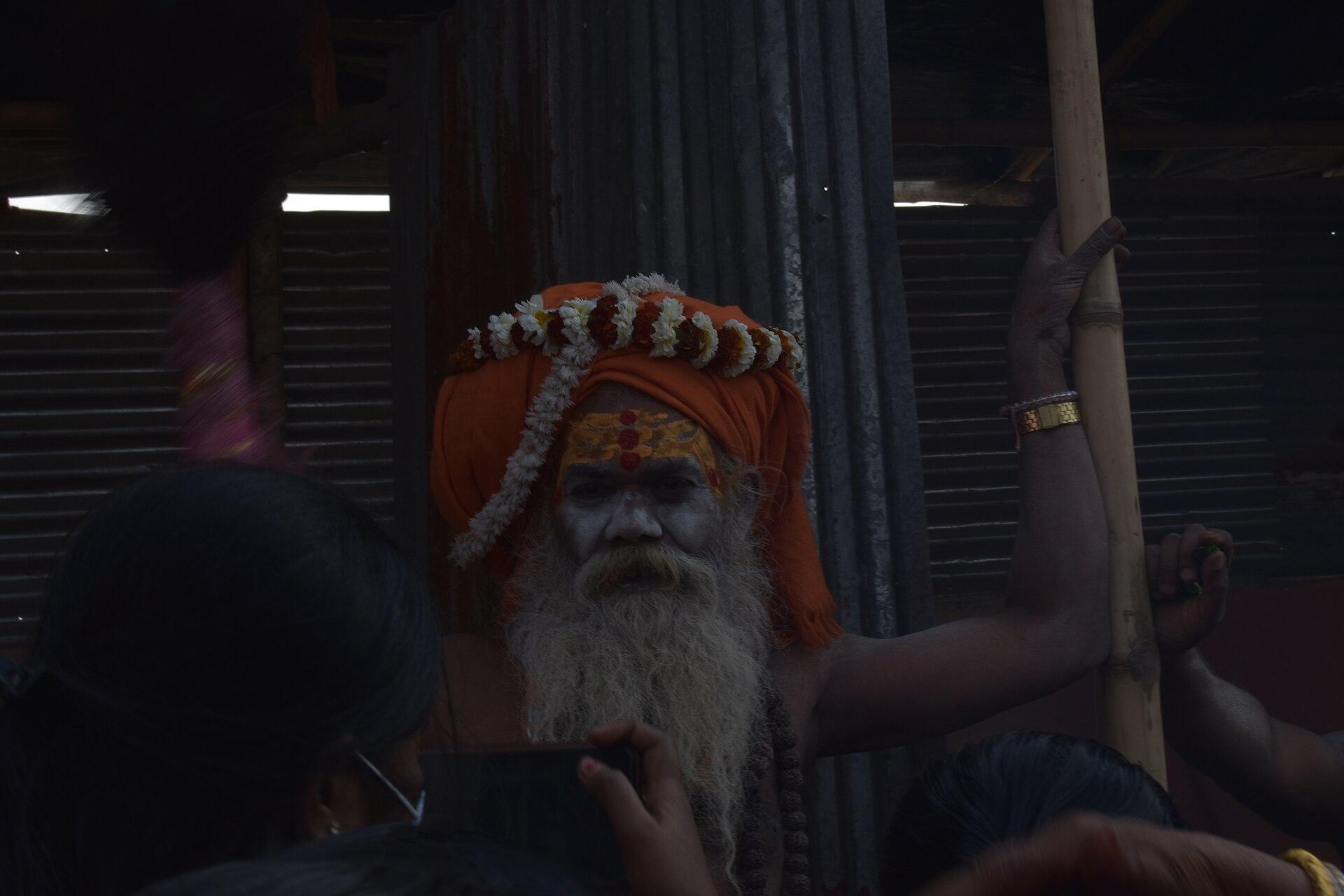
Ash-smeared ascetics who renounce everything, the Naga sadhus traditionally enter the water first on Amrit Snan days — one of the most iconic sights of the Kumbh.
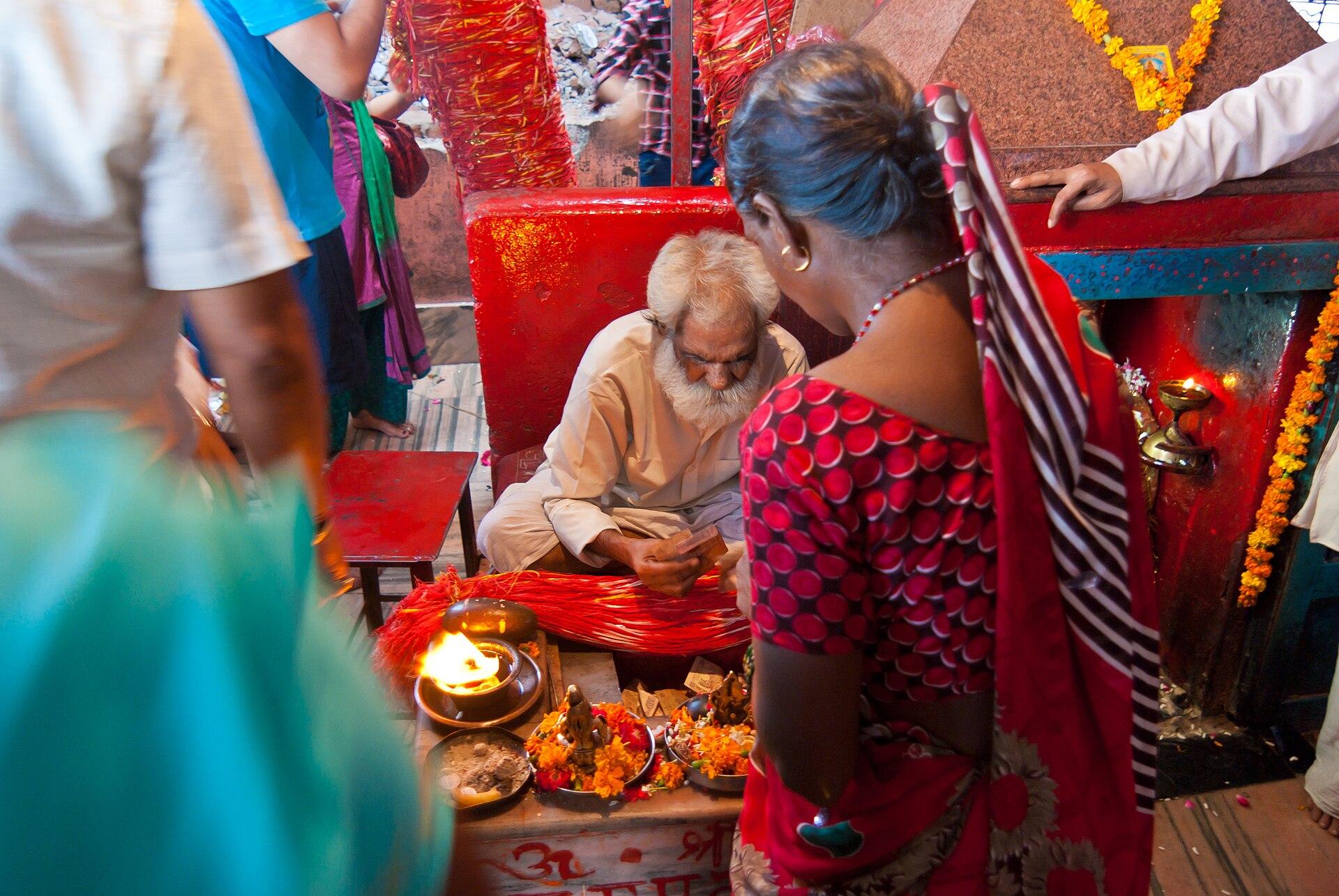
Mansa Devi on Bilwa Parvat and Chandi Devi on Neel Parvat are reached by ropeway or on foot. Queues grow long on bathing days — go early and keep the family together.
At dusk, tiered brass lamps rise in rhythm with conch and bells, and leaf-boat diyas float down the Ganga — a moment of stillness amid the crowd.
A dip at Har Ki Pauri is not about washing the body — it is about letting go.
At dusk, tiered brass lamps rise in rhythm with conch and bells, and leaf-boat diyas float down the Ganga — a moment of stillness amid the crowd.
In the faith of devotees, bathing in the Ganga on auspicious tithis cleanses sins and leads towards moksha — liberation from the cycle of rebirth.
Rich and poor, every caste and region bathe in the same water — a living expression of unity.
Knowledge, music, debate and craft are exchanged — the Kumbh has long been India's great meeting place of ideas.
Faith'Har Ki Pauri' means the steps of Hari. Devotees revere a stone at Brahmakund said to bear a footprint of Vishnu, and many families return here across generations.
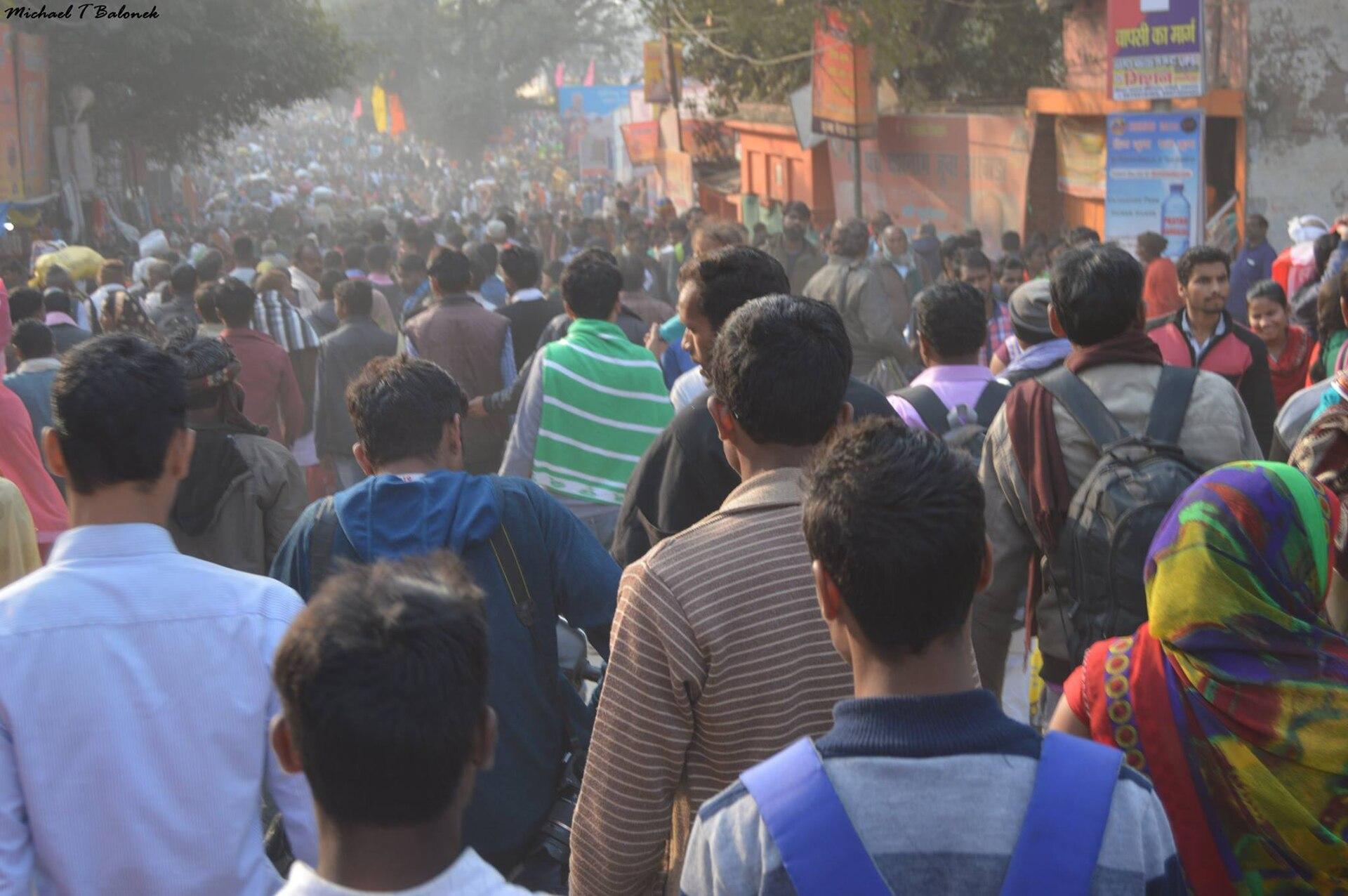
For generations, volunteer lost-and-found camps have called out names over loudspeakers through the night, helping separated families find each other. Jatayu is designed to support that spirit.
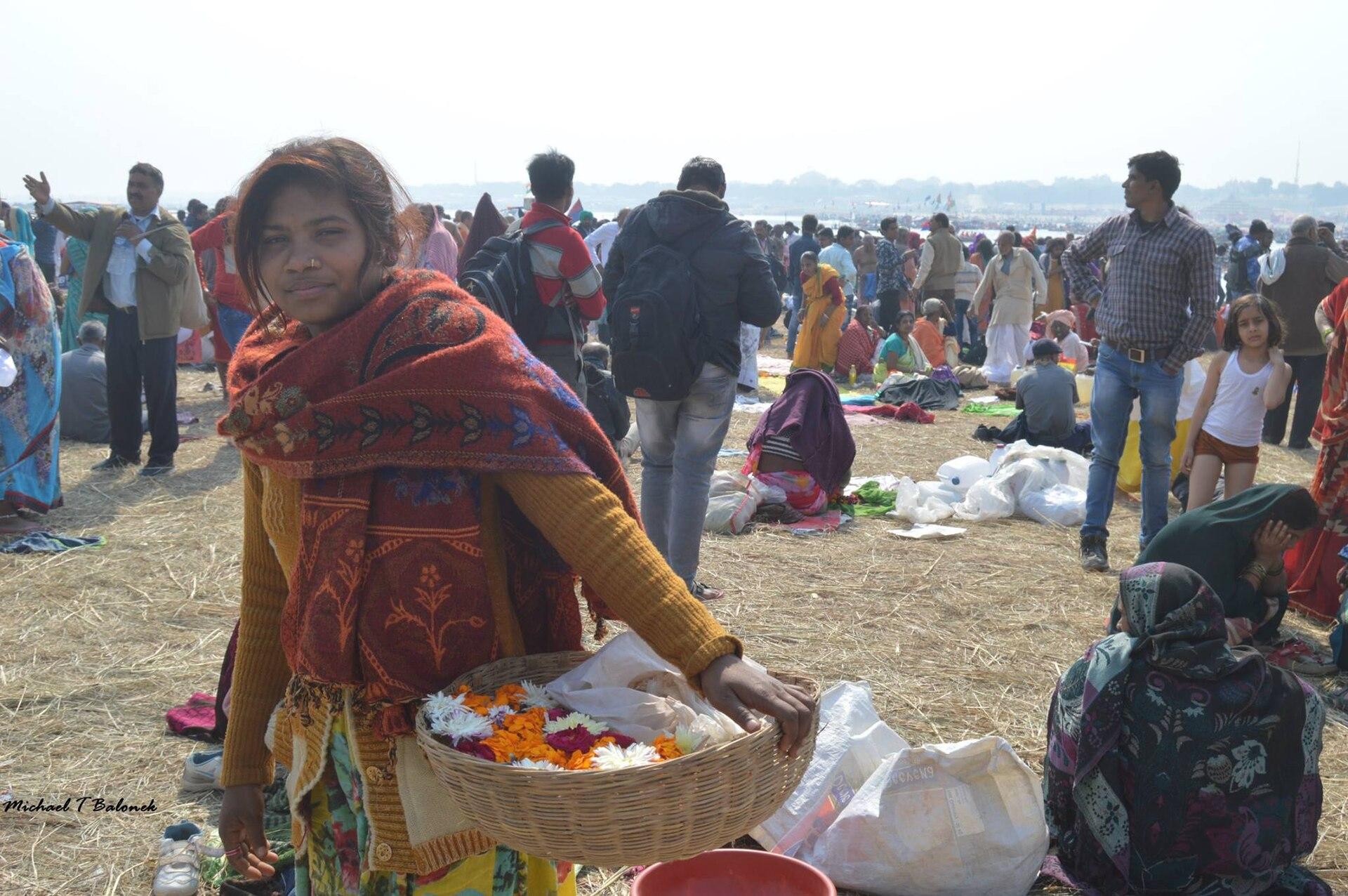
Marigold, rose and leaf-boat diyas — many local families depend on the Mela season, some selling at the same steps for generations.
Illustrative stories, not testimonials.
The Haridwar Ardh Kumbh 2027 Mela runs about 1 January – 30 April 2027, with 10 major bathing festivals. Amrit Snan days draw the largest crowds — plan a staggered arrival.
Opening bathing festival · Har Ki Pauri
Expect heavy crowds — plan a staggered arrival
Akhara procession — follow route orders
Major snan — peripheral parking & shuttle only
Peak day — pedestrian-first core < 2 km
Indicative — check the official portal. The dates shown here are a planning sample. The final bathing calendar is notified by the Government of Uttarakhand.
Official Haridwar Kumbh portalTimings are indicative and may change on snan days — confirm locally or with official notices before you go.
Bilwa Parvat · ropeway near Har Ki Pauri
Ropeway queues are longest after a snan — go early
Neel Parvat · across the Ganga
Ropeway or trek; plan your return before dark
Near Har Ki Pauri
Walkable from the ghats; lanes are narrow on peak days
Kankhal
Connected to the story of Sati and Daksha
Typical pandal schedule across akhara camps
Family circles, a protected Medical ID, an opaque QR band and official route alerts — envisioned for Haridwar Ardh Kumbh 2027. No purchase required.
Mythology and tradition are presented as living faith, not historical record. Dates are indicative — the State notifies the final calendar on the official Haridwar Kumbh portal.